
Why LEGO Serious Play Is the Creative Problem Solving Tool Managers Didn’t Know They Needed - Part 1 of 2
I first stumbled across LEGO Serious Play about a decade ago. At the time, my initial reaction was admittedly light-hearted: imagine having a tax-deductible LEGO collection. I laughed, parked the idea, and moved on. It wasn’t until years later, while leading a major national reform, that LEGO Serious Play re-entered my world in a far more meaningful way.
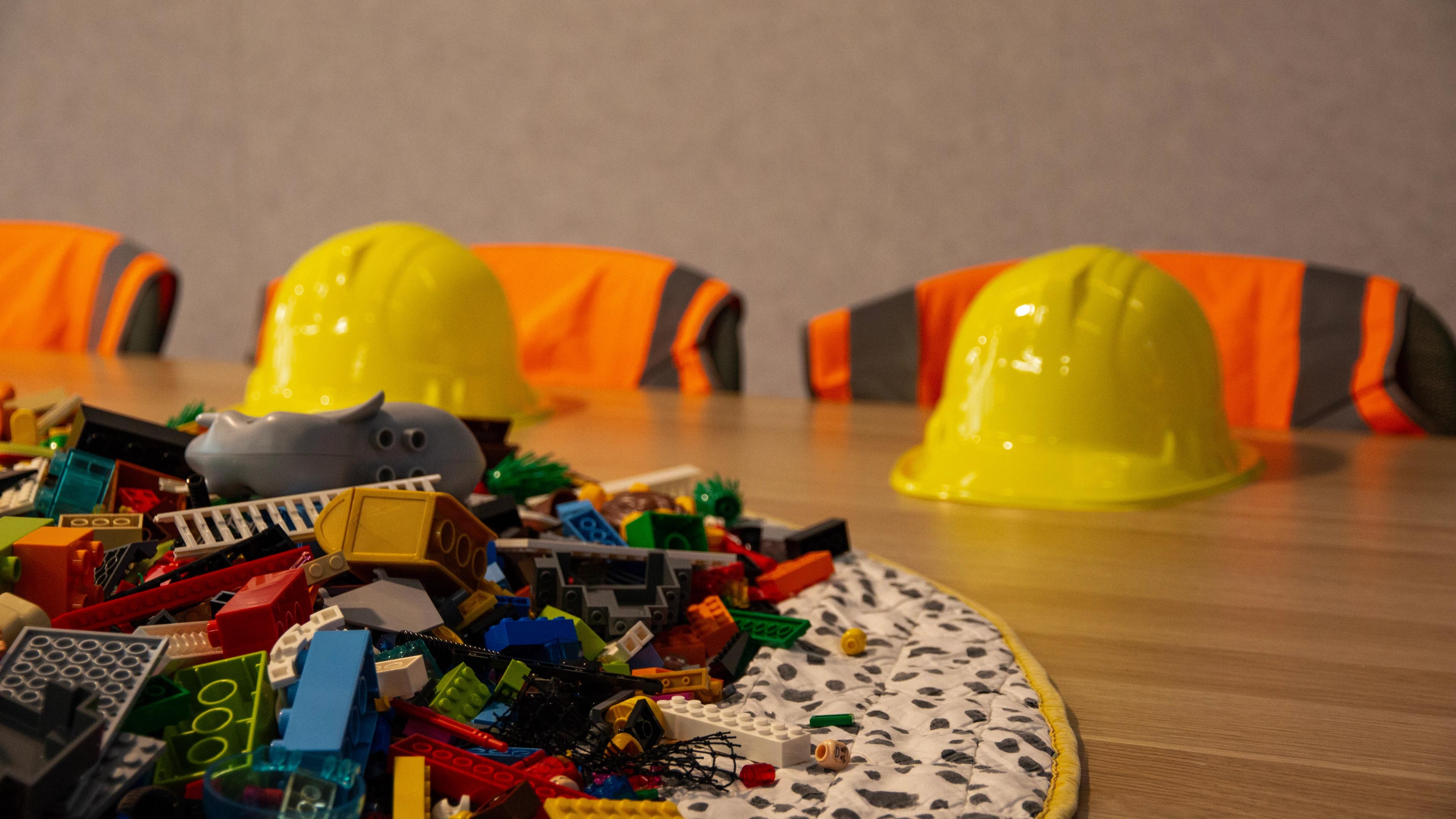
I first stumbled across LEGO Serious Play about a decade ago. At the time, my initial reaction was admittedly light‑hearted: imagine having a tax‑deductible LEGO collection. I laughed, parked the idea, and moved on. It wasn’t until years later, while leading a major national reform, that LEGO Serious Play re‑entered my world in a far more meaningful way.
At the time, I was running a large‑scale change initiative with infrastructure partners. We were fundamentally reshaping how they operated. Teams were drowning in traditional change artefacts: impact assessments, process maps, user journeys. These tools gave us information, but the process was slow, clunky and exhausting. Worse, because the work wasn’t engaging, critical details were often glossed over. Missed detail in change work always resurfaces later, usually in hypercare, in cost blowouts, or in frustrated teams who feel blindsided. I knew there had to be a better way to extract the richness of insight we needed.
So I revisited LEGO Serious Play. And that’s when everything shifted.
What I discovered was a method that freed teams to think laterally, creatively and without fear of being “wrong”. LEGO Serious Play bypasses the usual workplace filters. Instead of people cautiously answering questions, they build metaphors, tell stories and explore ideas with their hands. The moment the bricks hit the table, the energy changes. Conversations open up. People who normally stay quiet start contributing. Teams stop describing problems and start solving them.
In our reform program, this meant that instead of simply overlaying process maps, teams were discussing flow‑on effects, interdependencies and risks with far more clarity. We uncovered insights that would never have surfaced in a standard workshop. We found efficiencies. We aligned on priorities. And perhaps most importantly, we got everyone on the same page.
One of LEGO Serious Play’s greatest strengths is its versatility. I’ve used it for team building, strategy development, process mapping, role clarity, and even deep dives into organisational alignment. It works because it taps into something universal: people understand better when they can see and touch the problem.
Part of my motivation for embracing LEGO Serious Play came from frustration. I was tired of joining projects where the ship had already sailed, poorly run, culturally fractured, haemorrhaging money, and lacking direction. I didn’t want to be part of the problem. I wanted to be part of the solution. LEGO Serious Play gave me a way to intervene earlier, diagnose issues faster and help teams build shared understanding before problems spiralled.
People often scoff at the idea of using LEGO at work. But what they don’t realise is that LEGO Serious Play is not about toys, it’s about unlocking thinking. It creates psychological safety, accelerates insight, and helps teams articulate what they can’t easily put into words. In a world where organisations are navigating complexity at every turn, managers need tools that cut through noise and spark genuine collaboration.
LEGO Serious Play does exactly that. And it’s far more powerful than most people expect.
About the Author
Edit author
Mark is a seasoned change and communications professional with more than a decade of experience supporting federal government departments and corporate organisations. He is widely recognised for his strategic communication skills, writing capability, workshop facilitation expertise and his ability to solve complex problems with clarity and composure.
Intelligent, pragmatic and affable, Mark combines natural leadership with strong social intelligence. An accomplished facilitator, he is skilled at designing and leading workshops that drive collaboration, alignment and meaningful outcomes. He consistently fosters trust, collaboration and confidence, whether working with senior executives, project teams or diverse stakeholder groups. His professionalism and steady presence make him a valued advisor in any setting.