
Coaching the Constructive Conflict Mindset
We spend a great deal of time preparing people for difficult conversations. We give them scripts, techniques and sensible advice. Everybody knows to use "I" statements and ask open questions. Yet in thirty years of mediation and conflict coaching, I have watched capable people walk into a conflict conversation carrying all the right tools and unable to use any of them.
We spend a great deal of time preparing people for difficult conversations. We give them scripts, techniques and sensible advice. Everybody knows to use "I" statements and ask open questions. Yet in thirty years of mediation and conflict coaching, I have watched capable people walk into a conflict conversation carrying all the right tools and unable to use any of them. They can’t use the tools because they are in the wrong state of mind. The missing piece is mindset, and mindset is coaching territory.
What a mindset is
A mindset is a set of beliefs that shapes how you make sense of the world and your place in it. It works like a lens. It filters what you perceive, colours how you feel and shapes how you behave. Your conflict mindset affects how you see a dispute, how you see the other person, what emotions arise and what choices seem available to you.
We do not have one mindset. We carry a whole portfolio of them, and different situations trigger different ones, often without our conscious attention. The encouraging news is that mindsets are not fixed. Our brains have plasticity. With awareness, practice and support, we can develop a mindset that serves us better in conflict.
Why a growth mindset is not enough
Many coaches know Carol Dweck's distinction between fixed and growth mindsets. Applied to conflict, a fixed mindset sounds like this: conflict is win or lose, the other person is to blame, and I am either good at this or I am not. People in a fixed mindset defend their position rather than examine it. They try to prove themselves rather than improve themselves. They feel certain, they focus on the past, and they resist new information.
A growth mindset is a far better starting point. It treats conflict as an opportunity for learning, stays open to information that does not favour us, and looks forward rather than back. But Dweck herself noted that a growth mindset is only a starting point. People need to know what they are growing toward, and they need sustained support to get there. You cannot put up a poster telling people to grow and expect anything to change.
Gary Friedman's story makes the point. Friedman is known as one of the fathers of mediation in the United States. Late in his career he joined a local community board, expecting his decades of experience to make him a model of positive conflict. Instead he slid quickly into us-and-them thinking, became defensive, and lost sight of his own goals. He needed considerable support from family and colleagues before he could see what had happened. If the father of mediation cannot hold a constructive mindset on his own, our clients certainly cannot. Nobody develops a conflict mindset from a book or a workshop alone. This is precisely why coaching matters.
What clients are growing toward
In my work I describe six components of a constructive conflict mindset.
Embracing complexity and uncertainty. People in conflict tell themselves simple, certain stories in which their version of events is the true one. Simple stories feel safe. A constructive mindset accepts that there is always more going on than we know, that every person involved would tell the story differently, and that some things will never make sense. That is uncomfortable, and the discomfort has to be tolerated rather than escaped.
Curiosity, especially about other perspectives. Recognising that your point of view is not the only one and actively seeking out information and interpretations that may feel wrong to you.
Flexibility and openness to change. Accepting that there may be more than one way through and staying open to unexpected options as new information emerges.
Willingness to be vulnerable. Being vulnerable does not mean feeling no fear. It means continuing to engage despite it and being able to acknowledge your own contributions to the situation. The language of contribution works where the language of fault and blame produces only defensiveness.
Active engagement and choice. People in conflict often go into helpless mode. They avoid, they complain from the sidelines, or they want someone in authority to fix it. A constructive mindset means identifying the choices you have, weighing the risks, and taking even small steps. Doing nothing should never be the default.
Learning from the past while facing forward. There is a difference between ruminating and reflecting. Rumination replays the injustice and hardens the story. Reflection asks what was going on, what I might be missing and what I could do differently. One person I interviewed during my doctoral research put it memorably: he did not want to bounce back from conflict, he wanted to bounce forward.
Why coaching is the tool
Awareness helps, and training helps, but both are abstract. A mindset is closer to a habit than a piece of knowledge. It has to be practised until the new way of thinking becomes accessible in the heat of the moment, and that rewiring rarely happens without support.
Coaching works because it operates in real time, on the client's actual conflict, in the context of their own personality and history. It slows everything down. In a session we can unpack a single interaction at a pace that lets the client notice their assumptions, something no one can do mid-argument. And the work compounds between sessions: a client who leaves a good session keeps noticing differently all week.
The most useful doorway I have found is the client's conflict story. The story is underpinned by the mindset, so rather than asking someone to change their thinking in the abstract, we explore the story they have been telling themselves and others. Where has it been simplified? What has been left out? As the story develops, the mindset shifts with it, and the client can become the author of a next chapter in which they have real choices.
One example of technique. Asking a client "what do you think the other person is thinking?" invites mind reading and usually fails. Instead I say: "If Joe were sitting here and I asked him what is going on between the two of you, how do you think he would describe it?" The client answers in role, drawing on everything they know about Joe. They may well get Joe wrong. It does not matter. The act of answering as another person is enough to open the recognition that other descriptions of the conflict exist, and that shift is what we are after.
Starting with ourselves
Coaches are not immune. We have conflict mindsets too, and ours are as habitual as anyone's. Before supporting a client, it is worth asking: What do I believe conflict is? What simple, certain story am I currently telling about a conflict in my own life? What might I not know?
Not every conflict can be resolved, and not every conflict should be. People are entitled to hold different values. But almost every conflict can be engaged with more constructively, and small shifts in thinking ripple outward into changed behaviour and changed relationships. When people change the way they think about conflict, they manage it better. Helping people change the way they think is what coaches do best.
Contact: sam@conflictmanagementacademy.com
Disclosure: This article is based on a webinar presented by the author. The author provides conflict coaching services and training through The Conflict Management Academy.
About the Author
Edit author
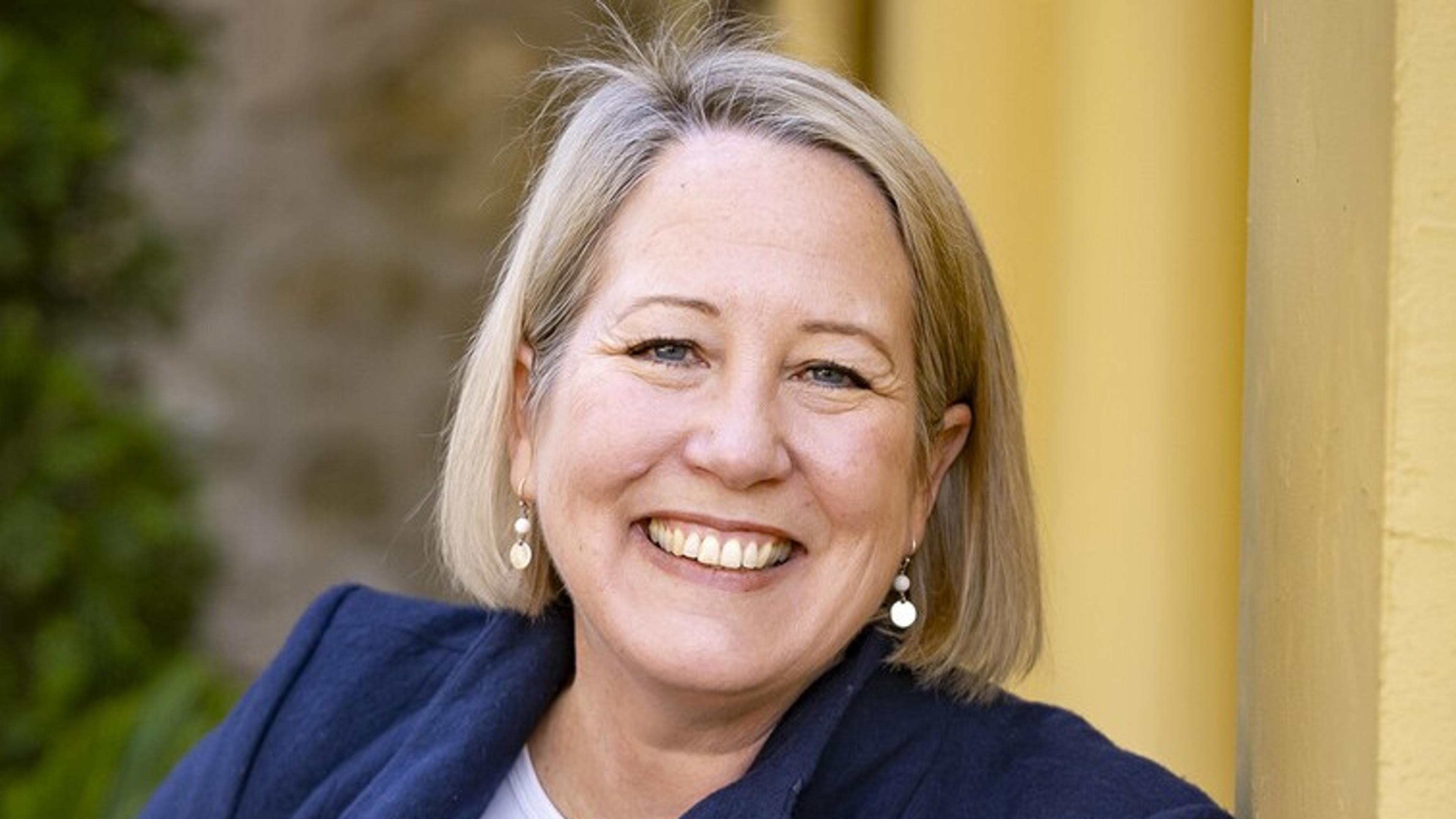
Dr Samantha Hardy is the Director and Lead Trainer of The Conflict Management Academy and the founder of the REAL Conflict Coaching System. She has worked in conflict resolution for thirty years as a mediator, conflict coach, educator and researcher, and is the author of Conflict Coaching Fundamentals (Routledge, 2021). She received the 2021 Resolution Institute Award for Service to Dispute Resolution and was named 2022 Conflict Coach of the Year at the Australian Dispute Resolution Awards.