
When the Person Gets Lost in the Goal
This article explores how high achievers often lose sight of themselves when fixated solely on performance outcomes, and how effective coaching creates space to balance ambition with personal presence, process, and self-awareness.
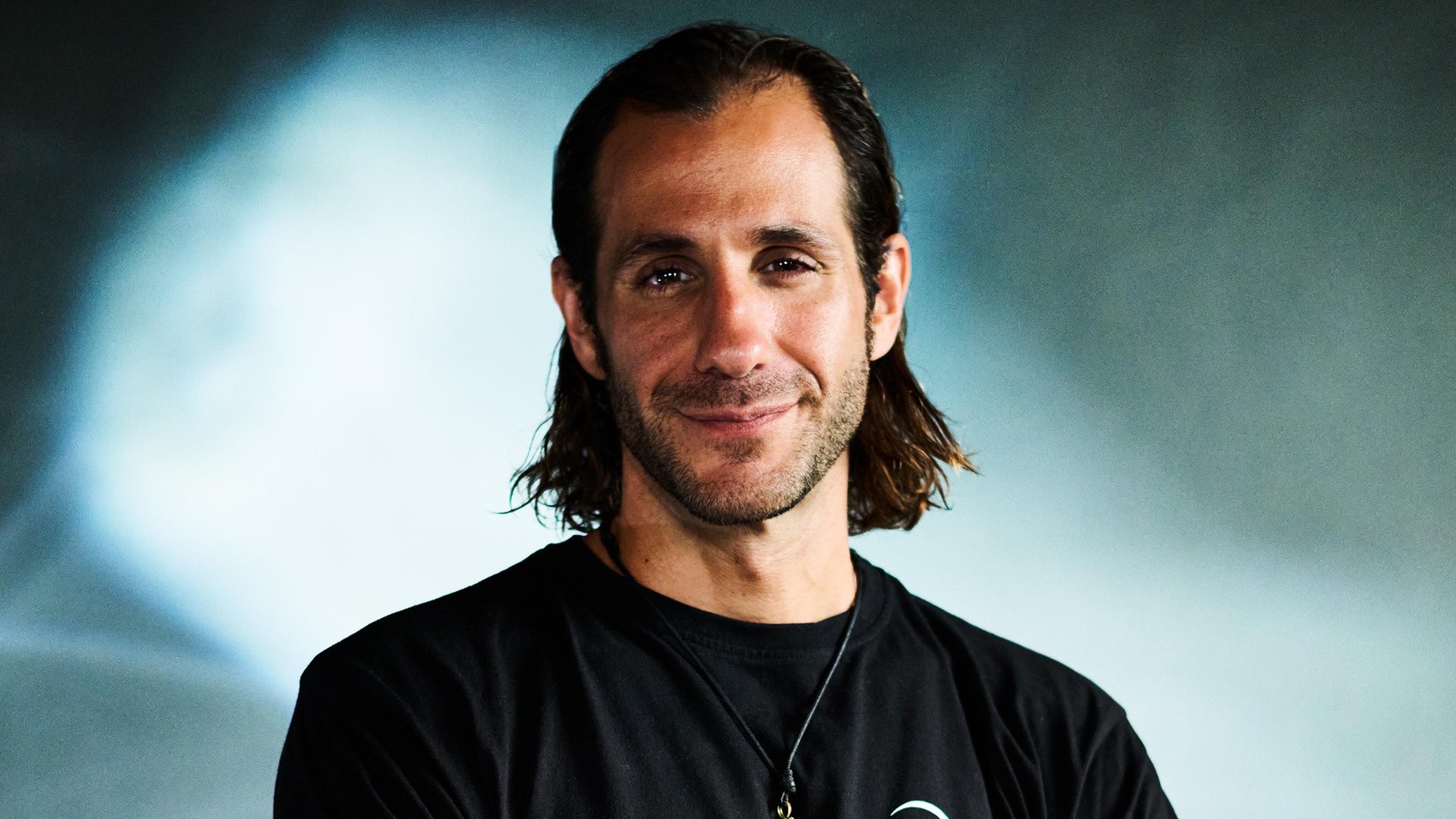
I came up from the hold, took my recovery breaths, and straight away started looking around for an excuse. What happened? Where did it go? I was in Dahab, training towards a Canadian national record, the first time in my life I’d set a goal like that, and I was searching for anything outside of me that could explain the result.
But it wasn’t the conditions, and it wasn’t anyone else. I wasn’t fully connected with myself, so how could I connect with the moment?
Even now, the numbers show it. My best training hold is 9:35, and my best in competition is 8:09. Part of what lives in that gap is what happens in my head when the setting changes and the result starts to matter more than the moment.
I used to finish sessions happy, just grateful to be in the water and learning. Now I was frustrated with the numbers, with myself, and sometimes with my training partner, even though he was doing his best for me. I’d told people I was going for the record, and part of me was quietly asking what they’d think if I didn’t get it.
Something I loved had become something I needed to prove. The goal wasn’t wrong. But it was starting to crowd out the person going after it.
I see versions of this in the people I coach across executive, leadership, and athletic environments. Whether supporting a senior manager trying to delegate or an athlete aiming for a record, the core coaching challenge isn’t to take away someone’s ambition. It’s to understand what that ambition has come to mean to them, help them identify the situation they are navigating, and create room for the person pursuing it.
Listen to what matters
Several athletes I work with have come to me close to a record and feeling the pressure. As we talk, they may share concerns about another athlete, how close that person is, or what a disappointing result would say about them.
Because I work with breath, I listen to more than words. Sometimes I notice a change in breathing or posture as someone talks. That’s a cue to get curious and ask, not to decide what’s happening inside them.
If I jump straight in and say, “You’re too focused on the numbers,” I risk losing them. Their goal might represent years of work, a sense of belonging, or something deeply personal. Before offering another perspective, I want them to know I understand why it matters.
The pattern I come back to is simple: listen, reflect back what I heard, acknowledge what matters, share a thought or experience, and then ask a question. The conversation changes with the person, and sometimes the most useful thing I can do is listen a little longer.
Share, then leave space
I don’t only ask questions. I share my experience too, but I want to leave room for the person to find themselves in it, or tell me I’ve got it wrong.
In Dahab, I needed to notice what had happened to the joy. Later, training in Thailand with Florian Dagoury and Benoit Piguet, I watched athletes I admired take their training seriously and still have a great time doing it. Being around that brought my curiosity, and the joy, back.
When an athlete is feeling the weight of a result, I might share a little of that experience, then ask: “What would it feel like to do this just for you, as if no one else were competing?”
After a question like that, there may be a pause, a hesitation, or a return to something we’ve already discussed. I don’t assume I know why. My job is to give them room, check whether I’ve understood and, if it helps, ask something different.
When someone says something they hadn’t put into words before, I don’t rush in to explain it for them. I let it land, because as a freediver I know how much can happen in stillness.
It’s never about getting the answer I hoped for. It’s about giving them enough room to hear their own.
An image, not another demand
One question I often use is: “If you imagine the person you want to become, how would they show up?”
For an athlete, that might mean asking how they want to approach competition day or treat themselves if it doesn’t go to plan. For a professional preparing a presentation, it might mean considering what they want the room to understand and how they’d like to respond to a difficult question.
The image is helpful when it brings attention back to something they can practise: curiosity, listening, or kindness towards themselves. But if that imagined person becomes someone who must hit a number or never feel nervous, the image can become another source of pressure.
Some questions I return to are:
What drew you to this before the result became so important?
How do you want to show up for what matters to you?
How would you treat yourself if the day didn’t go to plan?
What are you learning about yourself along the way?
I don’t ask them all at once; I listen to what comes back and follow the conversation.
With athletes, I often share a phrase: “Get lost in the motions and the movements, not the minutes and the metres.” The numbers still matter, but there is so much more to notice on the way to them.
I can’t take the uncertainty out of anyone’s goal, and I don’t want their confidence to depend on my reassurance. What I can offer is a conversation where they feel heard, can be honest with themselves, and have more room to choose.
Key takeaways for coaches
- Listen for subtle shifts in presence: Notice changes in a client’s breathing, posture, or tone. These physical cues signal underlying pressure or unspoken anxiety long before words express it.
- Acknowledge before challenging: Validate why a target or performance metric matters deeply to the client before offering alternative perspectives. Jumping straight to reframing risks creating resistance.
- Separate human identity from external metrics: Help clients distinguish their core self from their role or numerical outcomes. Focus their attention on process, decision-making, and intrinsic value.
- Pace the session with intentional silence: Avoid rushing to fill pauses or supply answers when a client reaches a moment of self-discovery. Allow space for reflection to let insights land.
- Anchor in self-compassion and process: Encourage clients to focus on movements, behaviors, and values rather than strict results. Ask reflective questions that prepare them to handle setbacks gracefully.
The ambition can stay. So can the person.
About the Author
Edit author
Aaron Fisher is an eight-time Canadian national record holder in static apnea, a breathwork facilitator and coach. Drawing on his athletic experience and earlier work in leadership and people development, he works with athletes and corporate clients on awareness and how they respond to pressure.